What Is Hybrid Training? (And Why It’s the Only Approach Worth Following)
Most men train for one thing.
They either lift weights and ignore everything above 200m, or they run and wonder why they’re getting weaker. They pick a lane and stay in it — and then wonder why their fitness has a ceiling.
Hybrid training removes the ceiling.
It’s the approach used by military operators, competitive athletes, and the people in your gym who look strong, move well, and don’t run out of breath walking up stairs. It’s not a trend. It’s how performance actually works.
This article breaks down what hybrid training is, why it outperforms every single-focus approach, and how to structure it without burning yourself into the ground.
What Hybrid Training Actually Means
Hybrid training is the deliberate combination of strength development and cardiovascular endurance within the same training program.
Not one or the other. Both. At the same time.
The goal is not to be the best powerlifter or the best marathoner. The goal is to be genuinely capable across multiple physical demands — to lift heavy, move fast, recover quickly, and sustain that output over time.
This matters more than most people realize. Real-world performance, whether in a career that demands it or a life worth living, is never just one thing. You need strength and endurance. You need power and resilience. A training program that only develops one of those is only getting you half ready.
Why Most Training Programs Fail to Deliver This
The fitness industry is built around single-outcome programs.
Bodybuilding splits, powerlifting cycles, marathon training plans — they’re all designed around one specific result. And for that specific result, they work fine.
But they create specialists. And most men don’t need to be specialists.
The problem with single-focus training:
• Strength-only programs produce men who are strong but gassed after two flights of stairs. Grip strength doesn’t help when your cardiovascular system shuts down.
• Cardio-only programs produce men who are lean but can’t carry anything heavy for more than thirty seconds. Endurance without strength is fragility.
• Random programs produce nothing. No adaptation, no progress, no direction.
Hybrid training is the answer to all three problems.
The Core of a Hybrid Training Program
A well-built hybrid training program has three components working together:
1. Strength training (2–4 sessions per week)
Compound movements. Squats, deadlifts, pressing, pulling. Heavy enough to drive adaptation. Structured around progression, not randomness. This is the base — everything else is built on top of it.
2. Cardiovascular training (3–5 sessions per week)
Not just steady-state jogging. A mix of low-intensity aerobic work (zone 2) and higher-intensity intervals. The aerobic base supports recovery between strength sessions. The intervals build capacity for short, hard efforts.
3. Recovery and movement (daily)
Walking, sleep, basic mobility. This is not optional. Training frequency only works when recovery keeps pace with it. Without this, the program falls apart.
The key is not doing more. It’s doing the right things in the right order with enough recovery between them.
The Most Common Mistake in Hybrid Training
Running hard on the same day as a heavy squat session.
Or programming back-to-back high-intensity days without understanding what they cost you.
Concurrent training — running and lifting in the same program — creates an interference effect when done wrong. The endurance work can blunt strength adaptations if the intensity and timing aren’t managed correctly.
The solution is simple: manage intensity across the week. Not every session can be hard. Most sessions should leave you feeling trained, not destroyed. Save the high-output sessions for when you’re rested, and use low-intensity work to fill the rest.
This is what separates a hybrid training program that works from one that just accumulates fatigue.
Who Hybrid Training Is Built For
This approach was not designed for people looking for the path of least resistance.
It’s built for men who want to perform — not just look like they do. Men who take their physical capacity seriously because it carries over into everything else: how they work, how they lead, how they handle pressure.
It’s the standard in military and law enforcement training for a reason. You can’t separate strength from endurance in the field. You can’t choose which physical demand shows up. You have to be ready for all of it.
If that’s the standard you want to hold yourself to, hybrid training is the system that gets you there.
Where to Start
The structure matters more than the intensity in the beginning.
Start with three strength sessions per week. Build your aerobic base with two to three runs or cardio sessions at a pace where you can hold a conversation. Keep the sessions separate if possible — strength in the morning, cardio later, or on different days.
Add intensity gradually. The first few weeks are about establishing rhythm, not chasing performance.
If you want a complete 30-day structure built around this exact approach — with training templates, nutrition basics, and a clear week-by-week progression — the Set the Standard Blueprint gives you that system without the guesswork.
The Bottom Line
Hybrid training is not a compromise between strength and endurance.
It’s a higher standard — one that demands more from your program, your recovery, and your consistency. But it produces something that single-focus training never will: a body that’s actually capable.
Strong enough. Fast enough. Ready enough.
That’s the standard. Start building it.
Complete program: https://www.edgementalities.com/store/p//store/p/6-day-performance-week
Posted by Edge Mentalities | edgementalities.com
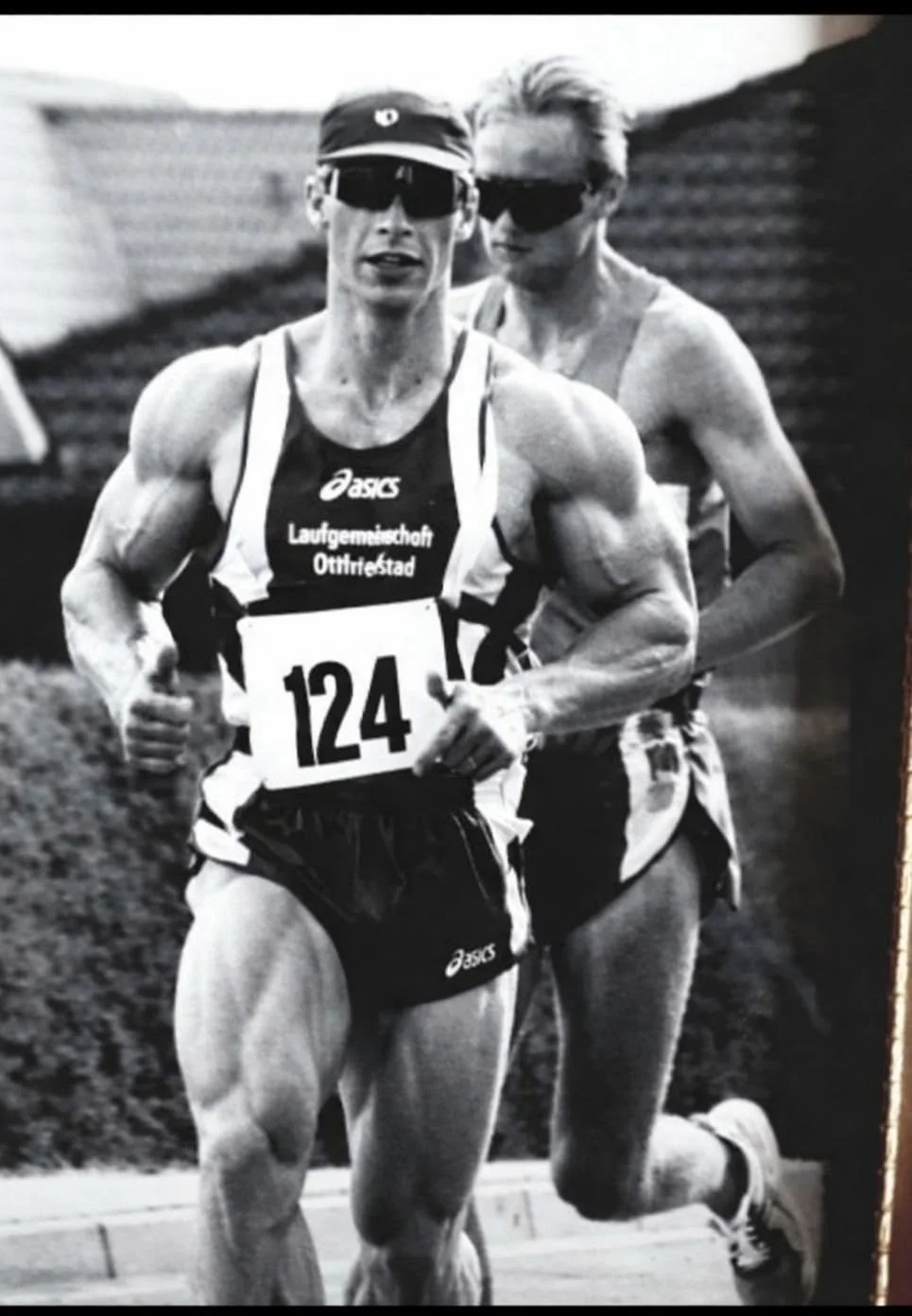
Hybrid training combines strength and endurance into one system. Here’s what it actually means, why it works, and how to start building it.